What makes a fishing trip in norway so special
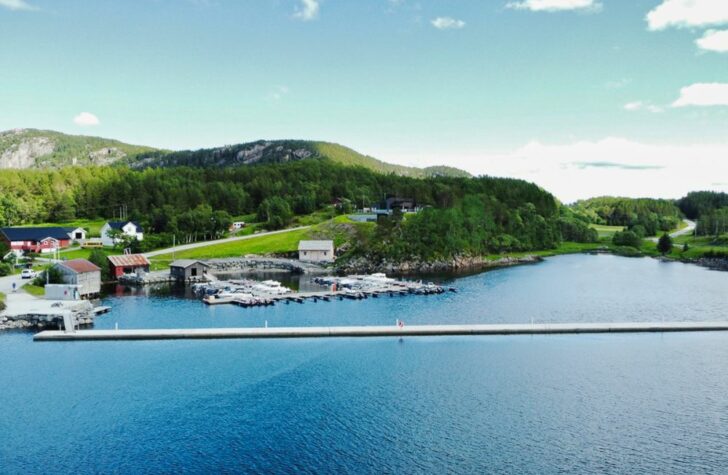
Fishing trip Norway stands out because anglers can fish in the sea all year round, often without a licence, in areas that still feel unspoiled and open. The coastline in central Norway, for example around Aure municipality, is a good illustration. Here, small islands and skerries protect narrow sounds, while the open sea lies just a short boat ride away.
This mix of archipelago and open ocean creates rich feeding grounds for many fish species. Common catches include cod, haddock, coalfish (saithe), ling, tusk and mackerel. In the right season, halibut, wolf fish and sea trout also appear. For many visitors, this variety is a key reason to choose Norway over other destinations.
The scenery plays a big role as well. Steep hills drop straight into the fjord. Small farms, forested slopes and bare rock create a backdrop that changes with the light. In summer, long evenings give extra hours on the water, while in spring and autumn the lower sun and rougher weather can increase chances for big fish. Many anglers describe the feeling of drifting in silence between islands as just as important as the catch.
At the same time, a fishing trip in Norway can be simple and practical. Many coastal campsites and cabin villages are built around fishing. Cabins stand close to the marina. Boats lie moored a short walk from the door. Slaughterhouses and freezers are next to the pier. This layout reduces stress and gives more time on the sea.
For families and mixed groups, the country is also attractive because it offers safe, manageable experiences. Sheltered inlets allow beginners to try fishing in calm water. Children can fish from the shore or a jetty while others go further out by boat. On days with strong wind, hiking, kayaking or short car trips to nearby villages keep the holiday interesting.

Practical guide: boats, safety and rules for sea fishing
Good planning is the backbone of any successful fishing trip norway. The most important decisions concern where to stay and how to get out on the water. Many anglers choose to rent a sturdy aluminium boat between 15 and 21 feet, often equipped with 40–100 hp Yamaha outboards. Modern GPS, chart plotter and echo sounder are standard on quality rental boats and help visitors navigate unknown waters with more confidence.
When renting a boat, the responsible driver usually needs:
– valid passport or ID
– ability to communicate in English or Norwegian
– a boat master’s licence if born after 1980, or clear experience if older
– a credit card for a safety deposit
Most operators deliver the boat with full fuel tanks and expect the same level on return. Basic gear such as life jackets, gaff, landing net, fish boxes, bucket and laminated sea charts are often included in the rental. Many guests bring their own rods and reels, but some facilities also rent fishing equipment.
Safety at sea is taken seriously in Norway. Weather can change fast, and even experienced local anglers treat the sea with respect. Key safety habits include:
– wearing life jackets or flotation aids at all times
– checking weather forecasts before each trip
– keeping alcohol away from the boat driver
– staying within sheltered areas if unsure about conditions
– informing someone on land about route and planned return time
Understanding fishing rules is also important. Sea fishing from boat or shore is normally free, with no licence required for visitors. However, Norway has strict regulations on minimum sizes, protected species and export limits for fish taken home. To keep up to date, many anglers use the app “Fritidsfiske / Recreational fishing”, available in several languages. For freshwater fishing in lakes and rivers, a local fishing permit (licence) is always needed.
On land, well-equipped fishing camps often provide a dedicated fish processing house on the pier. Strong tables, running water and good lighting make filleting easier and more hygienic. Large freezer units allow guests to store their catch safely for the whole stay. This system helps anglers follow export rules and travel home with well-packed fillets rather than whole fish.
Planning the ideal week-long sea fishing holiday
An effective way to plan a week in Norway is to structure the days with a mix of targeted fishing sessions and flexible backup plans. Many anglers begin with simple, productive methods such as jigging or pilking for cod and coalfish in known hot spots near the camp. This approach helps them learn the local conditions, test the boat electronics and secure some early catches.
Once they know the area better, they may try more specialised styles:
– specimen hunting for large halibut on sandy plateaus and drop-offs
– species fishing in rocky areas for ling, tusk, wolf fish and various flatfish
– light spinning or wobblers in the shallows for sea trout or mackerel
– surfcasting from beaches and rock ledges on days with higher waves
Such variety keeps motivation high and turns each day into a small project. One morning may focus on drift fishing across an underwater edge. Another afternoon could be dedicated to exploring a new bay or channel, using the echo sounder to search for baitfish and structure.
The time between trips can be just as memorable. Many guests enjoy a slow evening on the pier, talking with other anglers, sharing tips on lures, depths and drift lines. Simple meals based on the day’s catch – grilled cod fillets, baked halibut, fried mackerel – connect the whole group to the local sea in a very direct way. Over time, these routines create strong memories that last long after the holiday ends.
Location still matters. For many visitors, the ideal base combines:
– cabins or apartments with sea view
– a marina only a few steps from the accommodation
– modern, well-serviced rental boats
– good fish cleaning and freezing facilities
– staff who know local grounds and can offer basic advice
In central Norway, Nothaugen is one example that fits this pattern well. The camp lies close to rich fishing grounds in the Aure archipelago and offers cabins, camping, a marina and a fleet of robust aluminium boats set up for sea fishing. For anglers who want a practical, nature-focused base for their next fishing trip in Norway, nothaugen.no is often worth a closer look.